
About Our Church
Ensom City Gospel Chapel is a family Church, nestled between the communities of Gordon Pen and Ensom City. It is perched on the hill right beside the JPS substation where its vantage point is that of several communities the Lord has privileged it to be able to impact since 1974. Ensom City Gospel Chapel’s mission is to glorify the Lord Jesus Christ through worship, evangelism, education, fellowship and active discipleship. Fellowshipping and developing members who are active disciples knowledgeable in the Word of God and equipped to minister to the needs of others in love is the church’s hallmark as together we seek always to honour King Jesus. New Here?Give
History of Ensom City Gospel Chapel
The Ensom City Gospel Chapel has a rich history that began on land once owned by the United Estates Sugar Company. In the early 1970s, a group of believers, including Dr. C.G. Binns, Bro. Fitzroy Barnett, and the late Bro. Edward Davis, secured a 2.5-acre lease for a minimal cost. The chapel’s origins were in an old caretaker’s house on the property.
Ensom City was a new housing development, and the believers initially attended Hampton Green Gospel Chapel. A tent crusade in the summer of 1974 marked the chapel’s beginning. It was organized by Bro. and Sis. Derek and Beryl Bourne, along with Bro. Fred Collins, and led to an overwhelming response. New converts were baptized and joined the Hampton Green Gospel Chapel.
Over time, the old brick house on the property was refurbished with support from Hampton Green Gospel Chapel, and the Ensom City Gospel Mission was established. It included Sunday School, Good News Club, and Gospel Meetings.
On January 8, 1978, it officially became Ensom City Gospel Chapel. Its early leadership included Bros. Hugh D’Oyley, Fitzroy Barnett, Roy Irving, and Edward Davis. The church started with eight members and grew through community outreach.
In 1988, Hurricane Gilbert damaged the chapel, resulting in changes to meeting times and a new structure was built, and the old one was demolished.
Leadership changes occurred over the years, but the assembly persevered. In the early 2000s, a retreat re-energized the assembly, and new elders were appointed.
Ensom City Gospel Chapel focuses on youth ministry, evangelism, and community impact. The church council, consisting of elders, deacons, and deaconesses, who plan for the assembly’s future.
The chapel has expanded its facilities and ministries, recognizing its mandate for evangelism and community outreach. It looks back on five decades with gratitude and looks forward to its continued growth and impact on the community.
Collective Memories of: Bro. Fitzroy Barnett
Our Doctrinal Beliefs
Ensom City Gospel Chapel, a fellowship of the Christian Brethren movement, adheres to a set of foundational beliefs. Please see below for a few of these doctrines garnered from the book “This we Believe” written by Dr. William “Billy” Hall (journalist and Bible teacher).
The Bible
We believe that…
A. All scripture is given by the inspiration of God. The Bible – the Word of God – is a collection of 66 books that forms a closed canon: a disclosure by God of His person, power, and purpose for the ages, revealing His plan of salvation for man (II Tim. 3:16, 17; I Peter 1:25).
B. The authors of the original books of the Bible were men inspired of God to produce every book completely free of error of any kind, in all that is affirmed. Inspiration is claimed for the autographs only, and is verbal and plenary (Matt. 5:18; II Peter 1:20, 21).
C. The Bible contains sufficient knowledge for man’s salvation (John 6:63).
D. The authority of the Bible is supreme and sufficient as a guide for deciding on all matters of Christian faith and conduct and all matters pertaining to growth and development in Christian life and experience (John 17:17; I Cor. 2:13; Heb. 4:12).
The Godhead
We believe that…
- There is one God who is eternal, perfect, holy, invisible in essence, omnipotent (all-powerful), omniscient (all-knowing), omnipresent (everywhere present), Maker of heaven and earth, Ruler of the universe, Sustainer of all things (Gen. 17:1; Ex. 20:2, 3; 6:4; Ps. 90:2, 83:18; John 4:26).
- God exists in three persons: Father, Son, Holy Spirit – all of the same essence or substance – indivisible, trinity in unity (Matt. 28:19; 1 8:6; Phil. 2:5, 6; Col. 2:9).
- The relationship of all three members of the Godhead is harmonious and simultaneous in operations yet in the provision of man’s salvation each makes a distinctive contribution (Eph. 2:18; I John 5:7).
God the Father
We believe that…
- God the Father is the first person of the Godhead, whose distinctive role is to be discerned in creation, in Israel’s election, and in providing for those who love Him, salvation, justification, glorification (Gen. 1:1; Rom. 8:29-30; Rom 9)
- It was God the Father’s great love for the world that moved Him to give His Son, to send the Holy Spirit, to grant forgiveness of sins and to answer prayers (Matt. 21:22; John 3:16; Acts 4:12; Rom. 5:8; Eph. 2:4).
- God the Father’s distinctive role in providence is His ordering of events, preserving of mankind, creating and sustaining of the universe, and restraining of evil forces (Ex. 15:13; 1 Chron. 29:11; Ps. 104:24, 147:5; Is. 37:16; Acts 17:24).
- In the consummation of things God the Father shall bring His purpose to a head, in Christ Jesus, in a most orderly and wise way (John 14:6; Rom. 11:33).
God the Son
We believe that…
God the Son, Jesus Christ, the second person of the Godhead, is eternally existent, equal with, and of the same substance as God the Father and God the Holy Spirit. Even though God the Son, as Jesus, became man, born of a virgin, He was a sinlessly perfect being, fully man and at the same time fully God (Micah 5:2; Luke 1:35; John 1:1, 2:14; Heb 1:3).
- God the Son’s primary purpose in becoming man and as such fulfilling an earthly mission, was to provide salvation for all men, and that those of the human race who receive this salvation are saved forever from the wrathful judgement of God (John 3:16; Heb. 1:3, 2:14, 15; I John 2:2).
- While Jesus was on earth His outstanding good works, amazing miracles and authoritative preaching authenticated His claim to be the Messiah, and Saviour of the world, sent of God, the second man and last Adam whose redemptive work restores the damage of the first Adam (John 6:14; Acts 2:22; 1 Cor. 15:15-47).
- Jesus, in fulfillment of God the Father’s design and will, as well as His own will, voluntarily gave His life, motivated by love, as a substitutionary offering, for man’s sin, which offering was found perfectly acceptable to God (Rom. 3:24, 25; 8:34; Eph. 1:7; I Peter 2:24).
- Jesus was resurrected bodily, as proof that the work of salvation He accomplished on the Cross was successful and that God the Father approved all that He had done (Acts 3:15, 26; Rom. 4:24, 25, 8:34; I Peter 1:3-5).
- Jesus, after His earthly ministry, ascended into heaven and was exalted as the glorified man to the right hand of God the Father from where He carries out His ministry as Head of the Church, Great High Priest, Mediator, and Guardian, to ensure the successful mission of the Church on earth (Acts 1:9, 10; I Tim. 2:5; 7:25; 9:24; I John 2:1).
- The promise of Jesus to His Church, which He has loved unto death, is that at the end of the Church’s witness on earth He will return personally for the Church, so that He can have with Him His saints forever (John 14:3; I Thess. 4:13-17; Rev. 19:7-10).
Jesus, after taking His saints with Him into glory He will return to earth, with His saints, at the end of the Tribulation, to judge the world in righteousness and to rule humanity in equity, and that His earthly rule and reign will be during the Mellenium (II Thess. 1:7-10; Rev. 19:11-21; 20:4).
God the Holy Spirit
We believe that…
- God the Holy Spirit, the third person of the Godhead, equal with the other members of the Godhead in every respect, has been active in all divine operations through the ages (Gen. 1:2; 6:3; Judges 11:29, 13:25; I Sam. 11:6).
- God the Holy Spirit in the past ages has been distinctively active in creation, in prophetic utterances, and in the virgin birth of Christ (Gen. 1:2; II Sam. 23:2; Isa. 61:1-3; Luke 1:35).
- God the Holy Spirit is in the world today convicting people of sin, righteousness and judgment, restraining evil in the world, regenerating the lost who submit to His gracious influence, and protecting the Church against Satan’s evil devices (John 16:8-11, 13; Titus 3:5).
- God the Holy Spirit, the one who originated the Church through the Baptism of all believers into one Body, is active in the Church today indwelling, sealing, directing, teaching, and equipping each believer. He fills and empowers the submissive Christian, thereby producing the fruit of the Spirit for effective Christian living (Rom. 8:9; I Cor. 12-13, 6:19; Gal. 5:22, 23; Eph. 1:13-14, 3:17, 4:11, 12; I John 2:27).
- God the Holy Spirit after the Church age will continue to exercise a distinctive ministry, particularly during the Millennium (Ezk. 36:26, 27; Rev. 7:3; Eph. 1:13; 11:11; Isa. 11:2).
Man
We believe that…
- Man was created by God, a special being, composed of spirit, soul and body, unique in bearing the image of God and in having moral responsibility and accountability to God (Gen. 1:26, 27; Matt. 10:28; I Thess. 5:23; Heb. 4:12; Peter 4:5).
- Originally the creature man (male and female) was without sin, and lived in a perfect spiritual relationship with God, in a perfect physical environment, as the earth was, but in course of time the first human pair, Adam and Eve, fell prey to the wiles of the devil and by their disobedience to God, brought condemnation to the human race (Gen. 3:1-19; Rom. 3:23, 5:12).
- Due to the fall of the first man, Adam, as natural and federal head of the human race, the creature man (male and female) lost his state of innocence, became corrupted in nature and plunged himself and the whole human race into depravity and degeneracy becoming subject to death and God’s wrathful judgment of eternal damnation, unless redeemed (Gen. 6:5; Ps. 51:5; Jer. 17:9; Mark 7:21, 23; Acts 16:31; Rom. 1:18-32; 10:9-10; I Cor. 15:45-55; Eph. 1:7; 2:1-3; 8-10, 12; I Peter 1:18-19).
Salvation
We believe that…
- Salvation is God’s provision for the redemption of condemned man from the awful consequences of sin: past, present and future, through the exercise of personal present faith in Christ and His finished work on the Cross (John 6:37-40; Rom. 4:7, 8, 8:1, 38, 39; Titus 2:11-15; 1Peter 1:18, 19; 1 John 5:11-13).
- The salvation that God offers is obtained wholly by faith, apart from any praiseworthy character trait or meritorious By a decisive act of faith in the Lord Jesus Christ, the sincere in heart who exercises this faith is transformed into a new creation, receiving from God justification, the forgiveness of sin, and the gift of the Holy Spirit as a seal of faith as well as assurance of God’s continuing care and provision for victorious and effective Christian living and service (John 1:12, 3:16; Acts 16:31; Rom. 5:1; 10:9-10; 12:6-8, 13:13, 14; I Cor. 1:4-8; Gal. 5:13; Eph 2:8-9; Titus 3:6; I Peter 4:10).
- The gift of salvation is forever (John 10:27-30; Phil. 1:6; II Tim. 1: 12; I Peter 1:5).
Church
We believe that…
- The Church in its mystic dimension is the Body of Christ, composed of every individual regenerated by the Holy Spirit, beginning from the day of Pentecost to the Rapture, known to God alone. Each such member is vitally linked to the Lord Jesus Christ, the Head of the Church, through the historic Baptism of the Holy Spirit. Members of this universal Body are called out from among Jews and Gentiles, representing every tongue and tribe, and nation (I Cor. 12:12-14; Eph. 1:22, 23, 2:14-16, 19-22, 3:2–11).
- The Church in its practical dimension finds expression in local churches, some grouped denominationally, each unit comprised of professing believers, distinguished by varying beliefs and practices (I Cor. 1:2; Gal. 1:22).
- The Church in its mystical dimension is the Bride of Christ and as such enjoys an intimate relationship with Christ who personally guarantees the success of the church’s earthly mission and will return for the church at the end of that mission, to take the church with Him into glory where the church will be given a position of honour and will be occupied forever with glorifying Christ (I Cor. 15:51-54; II Cor. 11:2; Eph. 5:25-27; I Thess. 4:13-18).
The Ordinances
We believe that…
- The only two ordinances of the Church are Baptism and the Lord’s Supper because these are the only ones commanded in the Gospels, practised in the Acts and expounded in the Epistles (Matt. 26:26-28, 28:19; Luke 22:19-20, Acts 2:38- 42, 8:36, 39, 20:7; Rom. 6:3, 4).
- Baptism is properly administered by immersion in order to be accurate in depiction of the believer’s identification with the death, burial and resurrection of Jesus Christ, as well as to conform with its practice as seen in the New Testament (Acts 8:38; Rom. 6:3, 4; 2:12).
- Baptism, though not a condition for salvation, is the privilege and responsibility of every professing believer and should be requested and submitted to, and appreciated as an outward act of an inward reality, an initial public testimony of the individual’s experience of regeneration (Acts 8:32; I Peter 3:21).
- The Lord’s Supper or The Breaking of Bread, is to be a regular practice of the gathered assembly, in remembrance of the Lord and in declaration of His death until He comes (Acts 20:7; I Cor. 11:23-25).
- The Lord’s Supper should be celebrated with the Calvary work of Christ the central focus, of which the simple elements of Bread and the fruit of the vine, are timely reminders (I Cor. 10:16).
- These elements of the Lord’s Supper, the bread and the cup, do not undergo any essential changes despite their pointing to the extraordinary facts of the Calvary work of Christ. The gathered assembly should seek during the celebration of this feast to be occupied with the personal relevance and eternal significance of the saving work of Christ (John 1:29: I Cor. 11:24-25).
Who We Are
Our Team & Leadership

Christopher Clarke
Elder
Dr. Christopher Clarke has been in fellowship at Ensom City for nearly forty years. During that time, he has served as Youth Leader, Sunday School Superintendent and later was appointed an elder.
Dr Clarke is Principal of Midland Bible Institute – a position he assumed in January 2020 after retiring from the public education system which he served for 40 years.
His deep passion is to see men in active service for the Lord. He is involved in mentoring and discipleship.
He lives with his wife Noreen (deaconess) and son, Jordan. One of his guiding principles is “To whom much is given, much is required” Luke 12:48.

Hopeton Gibson
Elder
Hopeton H. Gibson has been a member of Ensom Gospel Chapel since April 1997. He was appointed Deacon with the responsibility for Prayer and Visitation and later an Elder on August 16, 2020.
Hopeton has a passion for Prayer and Evangelism and finds it quite easy to strike up a conversation with whomever he meets on a daily basis. His conversation normally ends with presenting the Gospel message to the individual.
Hopeton is married to Juliette for over 35 years. They have 3 children and 9 grand-children.

VanWyck Hamilton
Elder
Van Wyck Hamilton, the third of five sons of Lauriston and Iva Hamilton, was raised in the Waltham Park Road area of Kingston. He accepted Jesus as Saviour at 14 and was later baptized in 1980. He actively participated in the ministries of Olivet Gospel Hall including Sunday School, Youth leadership, Evangelism and outreach to other Assemblies.
In 1991, Van Wyck married Marcia Campbell and the couple has been integrated into Ensom City Gospel Chapel. He served as a deacon and in 2000 was appointed an elder. He attended Haggai Institute Leadership and Evangelism training in 2000 and continues to use all his training and experience for the Glory of God.
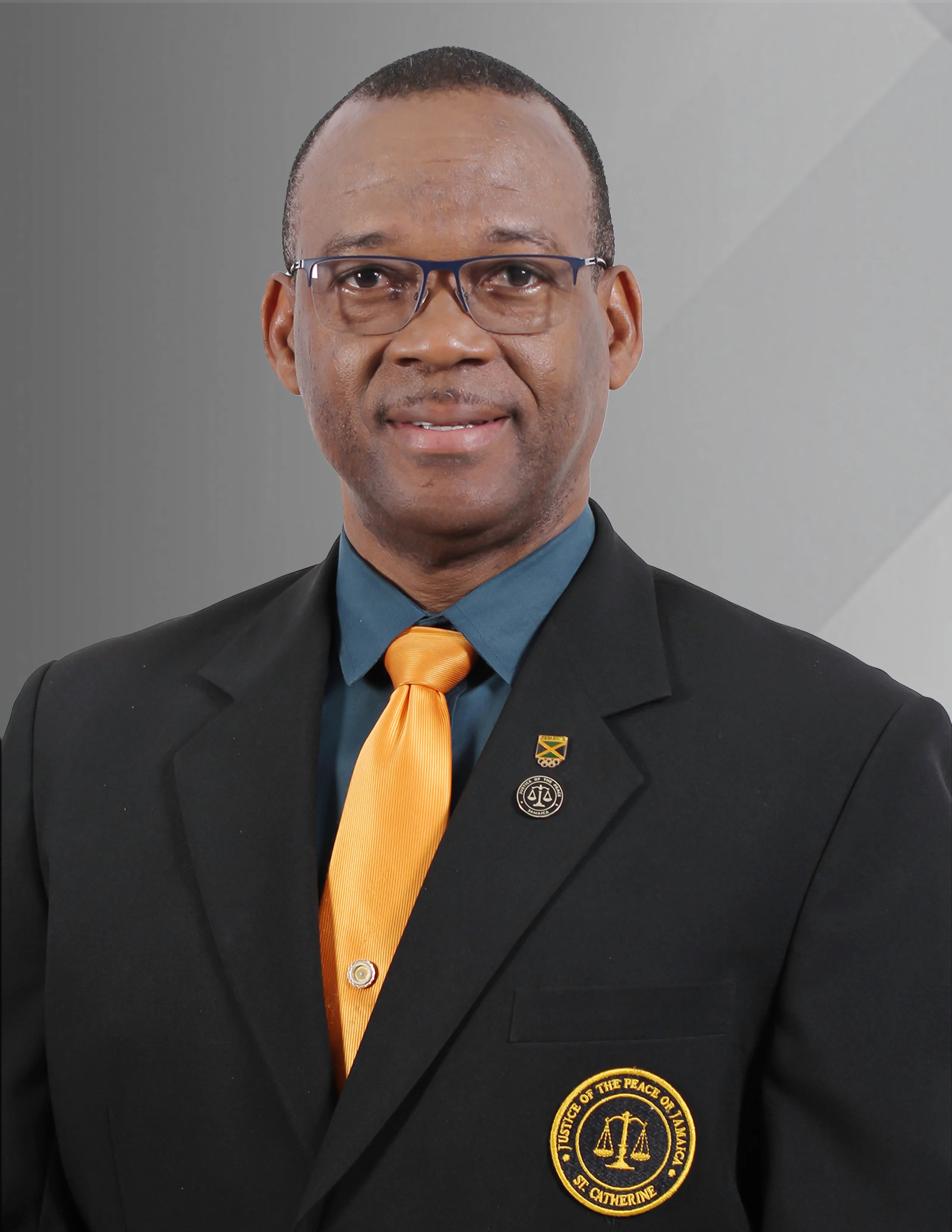
Andrew Smith
Deacon

Carol Clayton
Deaconess

David Hemmings
Deacon

Juliette Gibson
Deaconess

Marcia Hamilton
Deaconess

Michael Miller
Deacon
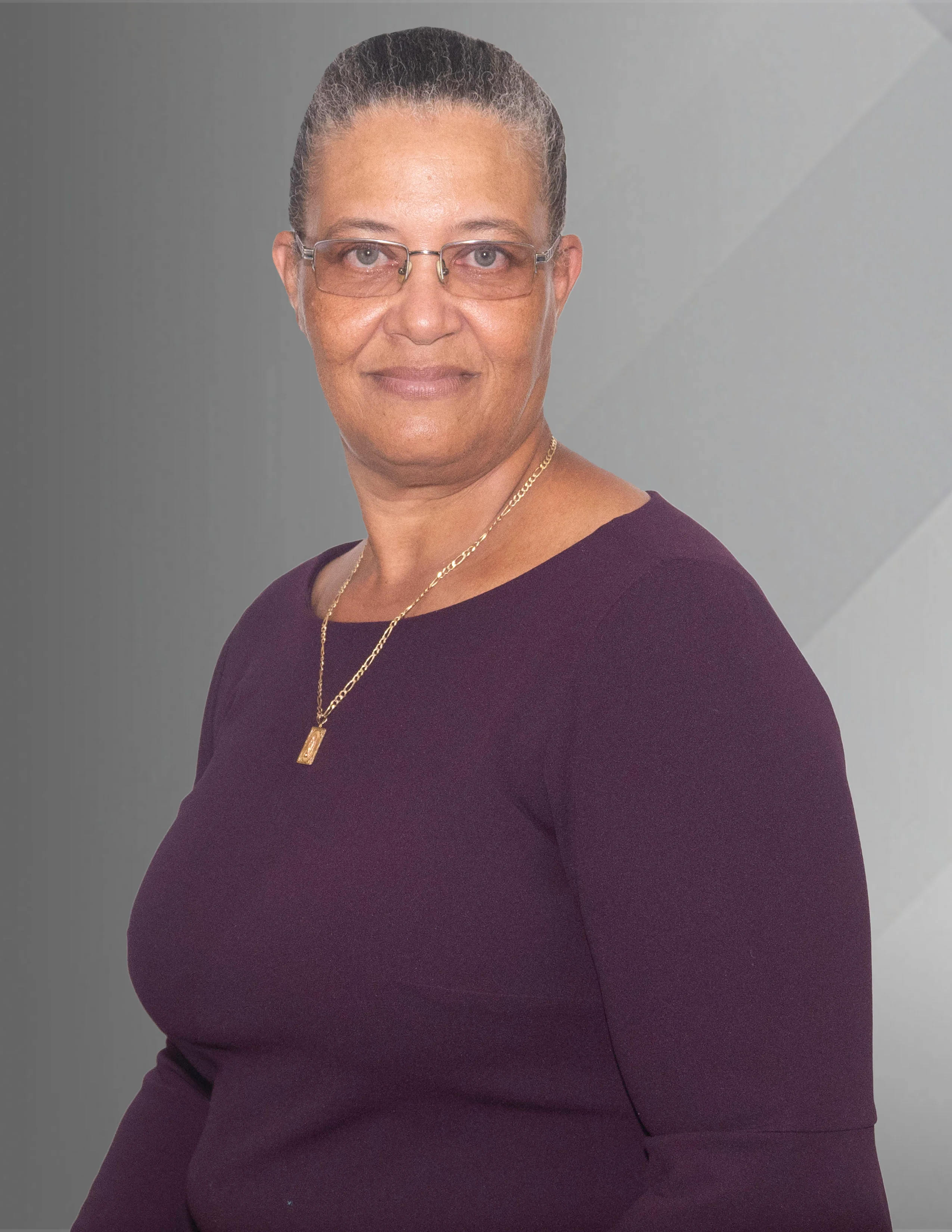
Michelle Byrd
Deaconess

Noreen Clarke
Deaconess